
How to Get Involved
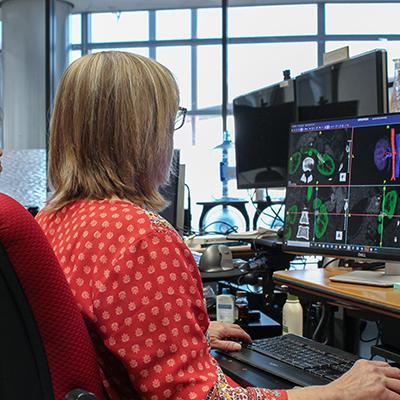
On-the-Job Training
On-the-job training in medical 3D imaging involves learning while working in a professional medical imaging environment. You acquire skills and knowledge through practical experience and guidance from experienced professionals.
Official Training
Official training programs in medical 3D imaging are excellent opportunities to enhance your knowledge and skills in a structured educational setting. These programs are offered by educational institutions, online platforms, or specialized medical imaging organizations. Some USA states require a Radiology License to practice as a radiology technologist to ensure individuals have met the necessary educational and competency requirements.
Certificate Programs:
• Medvarsity Certificate Course in Medical Imaging, 3D Modeling and 3D Printing
• Michigan Tech Medical Imaging Certificate
Professional Certification Courses:
• American Board of Medical Specialties (ABMS) – Certification in Diagnostic Radiology
• American Registry of Radiologic Technologists (ARRT) – Radiography Certification
State License:


Conferences
Conferences about medical imaging bring together professionals in the field to share knowledge, discuss the latest advancements, and showcase their work. Attending these conferences allows you to learn from experts and network with industry peers. Examples include:
• ECR (European Congress of Radiology)
• MICCAI (Medical Image Computing and Computer-Assisted Intervention) Conference
• RSNA (Radiological Society of North America) Annual Meeting
• SCCT (Society of Cardiovascular Computed Tomography)
Vendor Training
Vendor training programs in medical 3D imaging offer immersive learning experiences in collaboration with medical imaging institutions and industry leaders. These programs provide mentorship, valuable resources, and hands-on training to equip you with the skills and knowledge necessary for success.
• GE Healthcare Advanced Visualization Academy
• Philips Healthcare Advanced 3D Visualization and Analysis Training


Free Software & Training
Free Software:
• 3D Slicer: 3D Slicer is an open-source software platform widely used for medical image visualization, segmentation, and 3D reconstruction.
• Horos: Horos is an open-source medical image viewer based on the popular OsiriX platform.
• ITK-SNAP: ITK-SNAP is a free software tool specifically designed for image segmentation.
• OsiriX Lite: OsiriX Lite is a free medical imaging software available for macOS.
Free Training:
• Radiopaedia.org: Radiopaedia.org is an online collaborative radiology resource that offers a vast collection of medical imaging cases and educational materials. It provides a platform for users to learn and practice 3D imaging techniques by accessing a wide range of case studies, tutorials, and interactive quizzes.
• Tera Recon Resources: A resource center containing a variety of white papers, case studies, and community webinar recordings covering a wide range of healthcare topics.
• YouTube tutorials and online courses: Many individuals and organizations share free tutorials and educational content related to medical 3D imaging on platforms like YouTube, Coursera, edX, and Khan Academy.

