
Pectus Excavatum
A patient diagnosed with pectus excavatum experiencing chest pains and difficulty breathing was referred to Radiology and the 3DQ Lab for imaging, assessment, and visualization. Pectus Excavatum is a congenital chest wall deformity characterized by a sunken appearance in the middle of the chest. It occurs when the breastbone (sternum) and adjacent ribs are abnormally depressed inward. While the exact cause of pectus excavatum is not fully understood, it is believed to involve a combination of genetic and environmental factors. Mild cases may not require treatment, but more severe instances may impair cardiac and respiratory function, necessitating intervention.
Figure A (Right): Example of pectus excavatum. Image Source: https://en.wikipedia.org/wiki/Pectus_excavatum
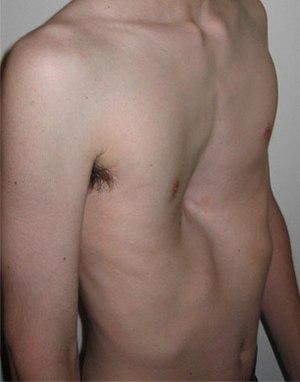
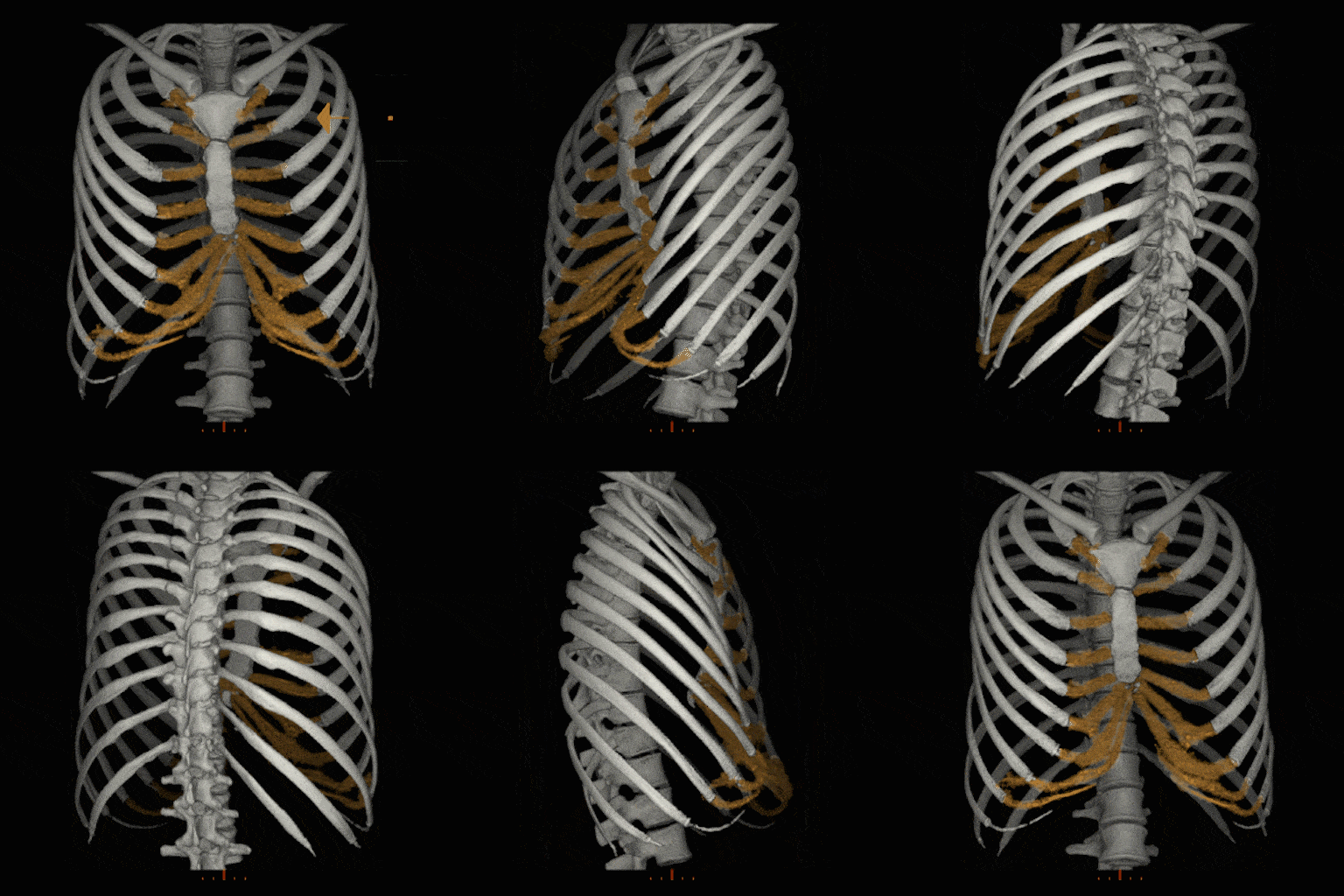
Figure B: 3D reconstruction of the chest wall (spine, ribs, sternum and cartilage) rotating horizontally.
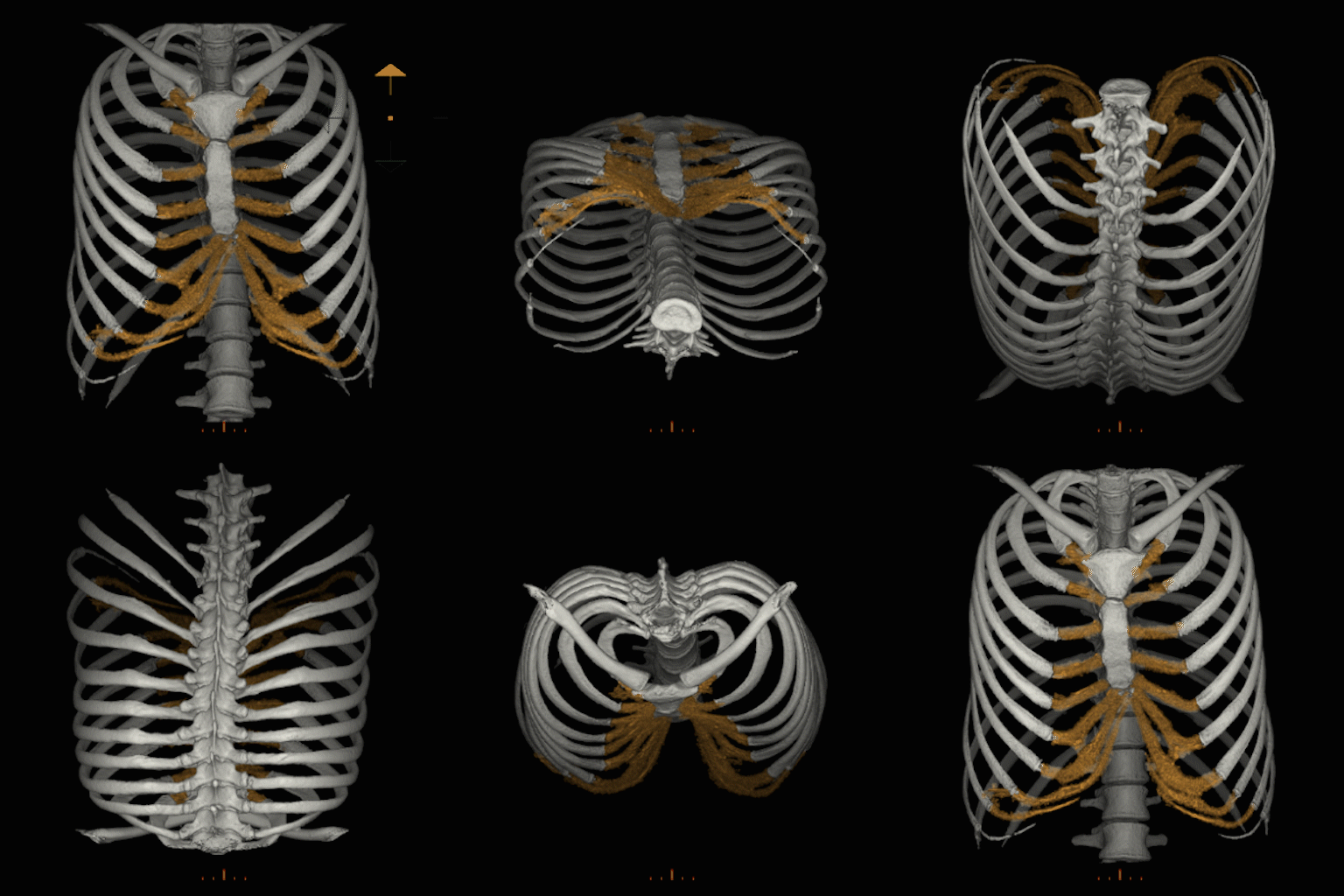
Figure C: 3D reconstruction of the chest wall (spine, ribs, sternum and cartilage) rotating vertically.
The Nuss procedure was performed to correct the chest wall deformity. Small incisions were made in the chest, and a curved metal bar was inserted beneath the sternum to elevate the depressed chest wall. The bar was secured to the ribs to maintain the desired shape. It will remain in place for about two to three years allowing the chest wall to stabilize and remodel. The Nuss procedure is recommended for moderate to severe cases of pectus excavatum that cause significant symptoms or functional impairment. Below are animations depicting changes to the chest wall as a result of the procedure, based on real preoperative and post-operative CT scans.
Figure D (Right): Animation of the Nuss procedure using bilateral bars to correct pectus excavatum. Note that this is a generalization, and a team of healthcare professionals carefully plans an approach for each patient.

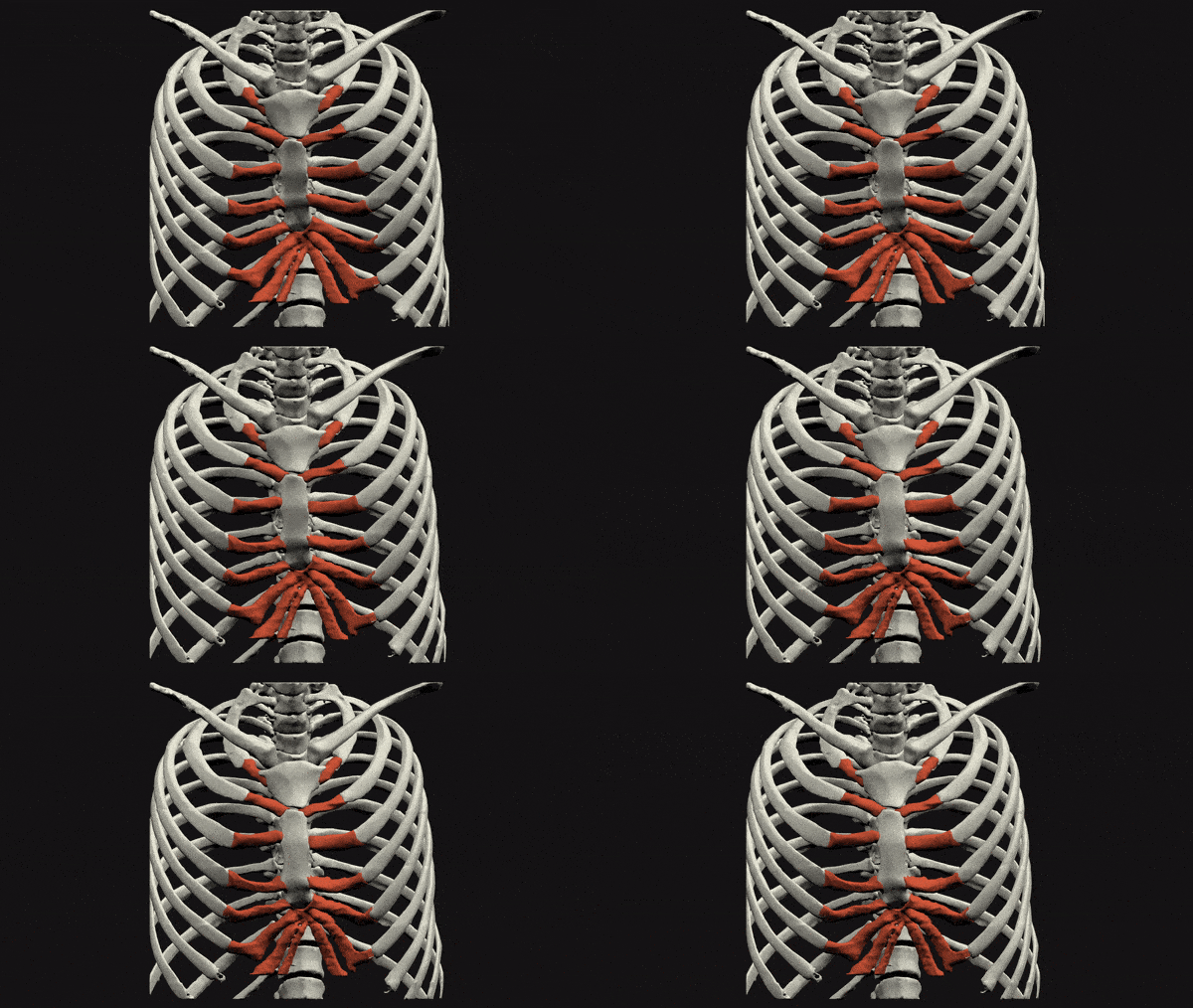
Figure E (Above): Coronal view, animation of the changes to the chest wall over time as a result of the Nuss procedure.

Figure F (Above): Axial view, animation of the changes to the chest wall over time as a result of the Nuss procedure.
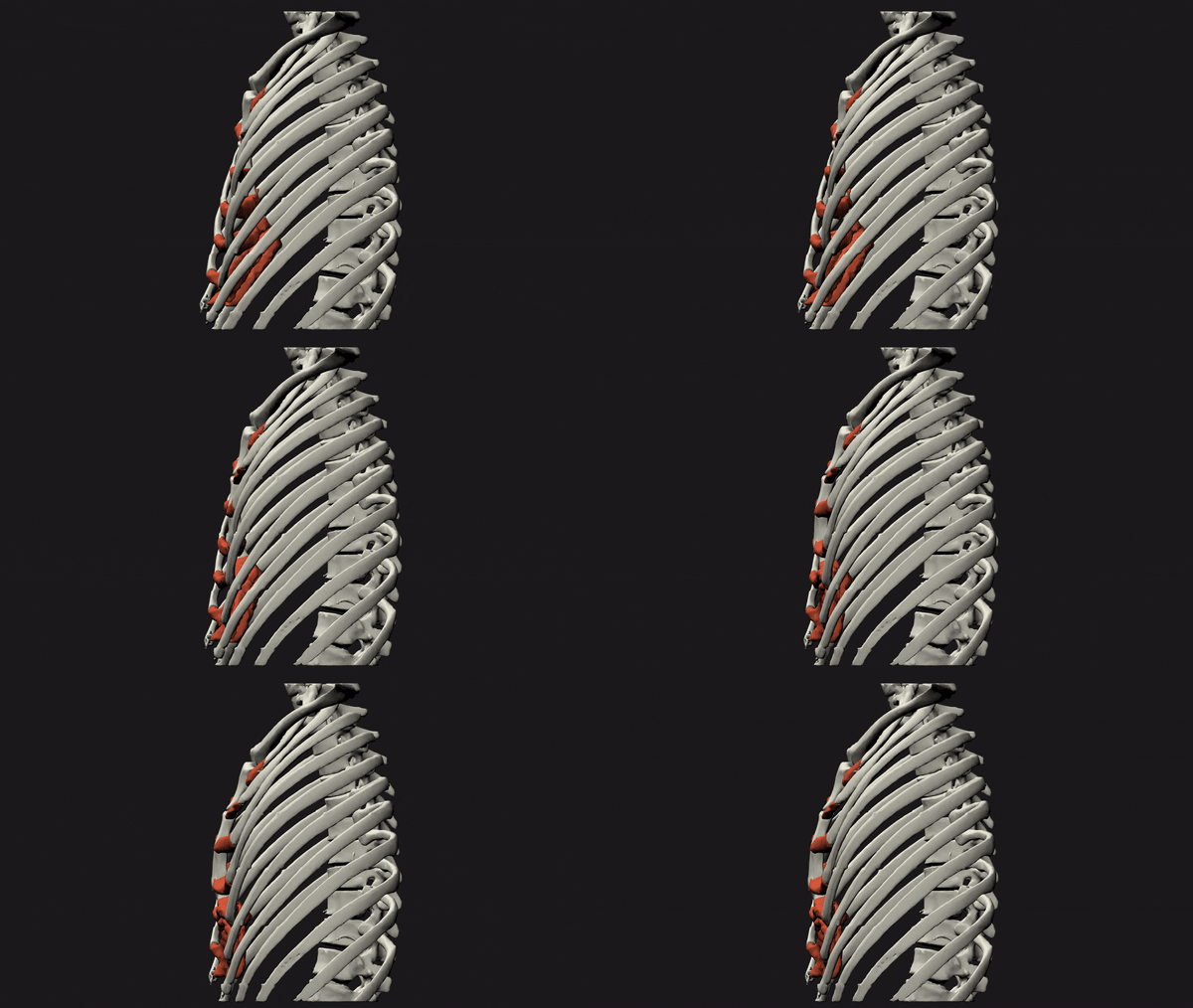
Figure G (Above): Sagittal view, animation of the changes to the chest wall over time as a result of the Nuss procedure.

Figure H (Above): Isometric view, animation of the changes to the chest wall over time as a result of the Nuss procedure.

Chris LeCastillo

Kyle Gifford

