
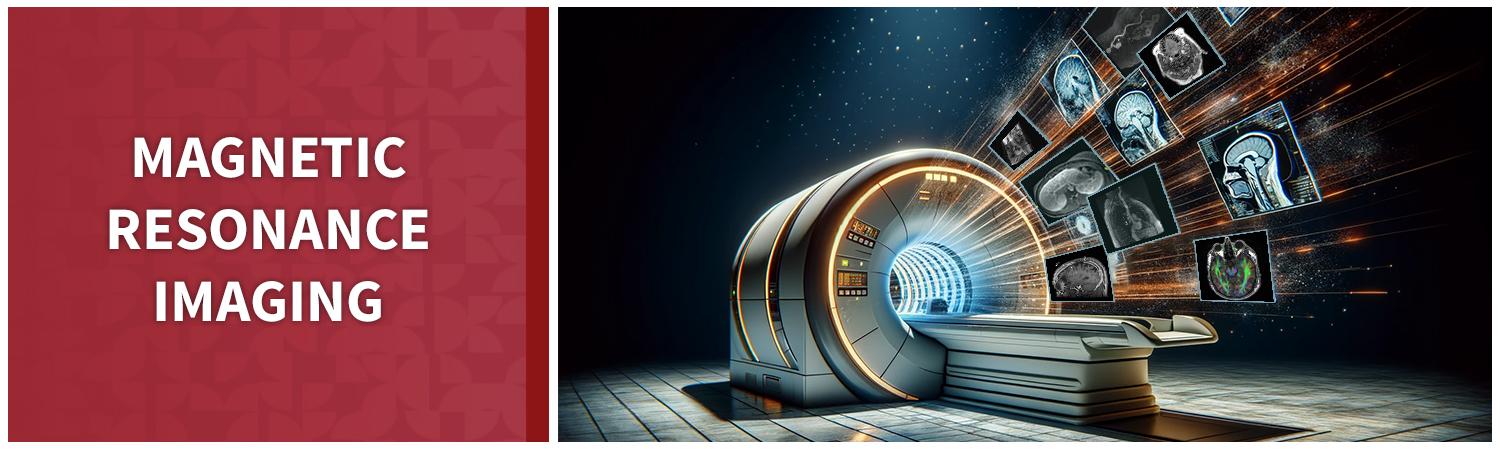
Magnetic Resonance Imaging (MRI) is a non-invasive medical imaging technique developed in the 1970s. It utilizes strong magnetic fields and radio waves to create detailed images of the internal structures of the body, particularly soft tissues. MRI works by aligning hydrogen atoms in the body’s water and fat molecules with a magnetic field and using radio waves to disturb this alignment. The emitted signals from these atoms are then captured and translated into images. Widely used in medical diagnostics, MRI is effective for examining the brain, spinal cord, joints, heart, and various internal organs.
Figure A (Right): A standard MRI, this is the conventional form of MRI used to image various parts of the body.
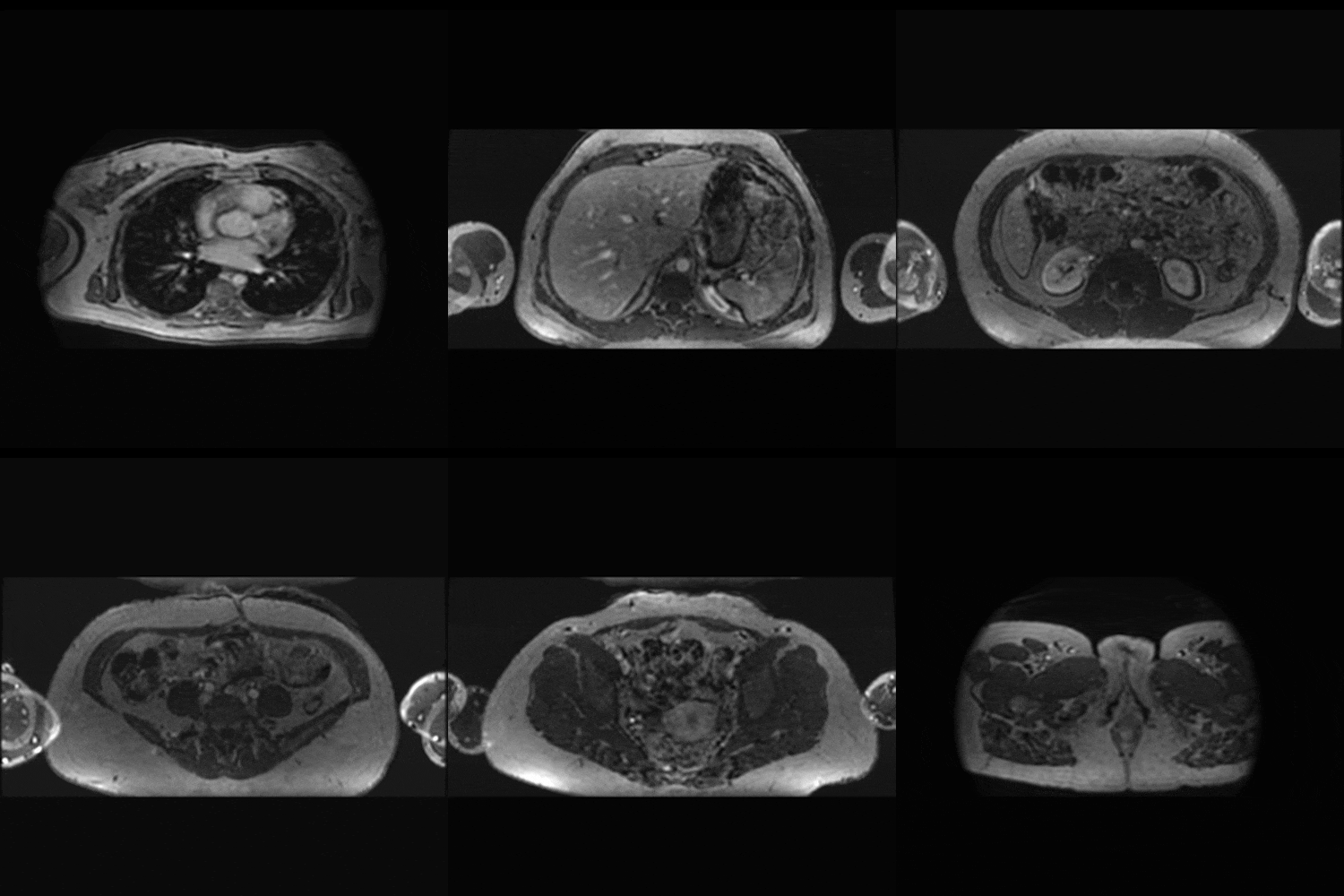
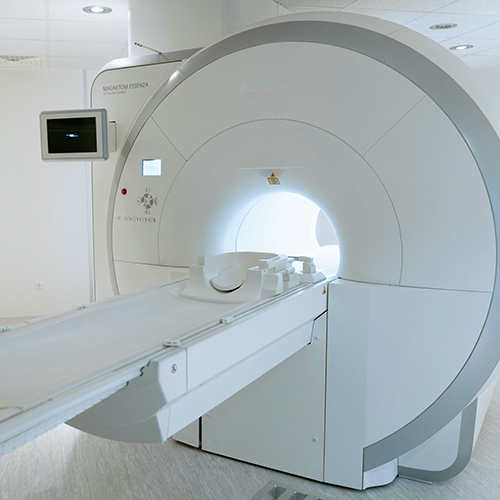
Image Acquisition
The process of obtaining an MRI scan involves a patient lying inside a large tube-like scanner, surrounded by a powerful circular magnet. The duration of the scan varies, typically ranging from 20 minutes to an hour, and is dependent on the specific area being imaged. During the scan, patients may experience loud noises, for which earplugs or headphones are usually provided. It is important for the patient to remain still throughout the procedure to ensure clear imaging. During an MRI scan, the scanner’s magnetic field can interact with metal objects in the body, making the procedure unsuitable for individuals with certain metal implants, including some types of pacemakers. Additionally, the confined space of the MRI scanner might cause discomfort for those with claustrophobia. Unlike X-rays or CT scans, MRI does not involve ionizing radiation, offering a safer alternative in terms of radiation exposure. However, the requirement for patients to stay immobile for the duration of the scan can be a challenge for some individuals.
Figure B (Left): Example of a MRI scanner.
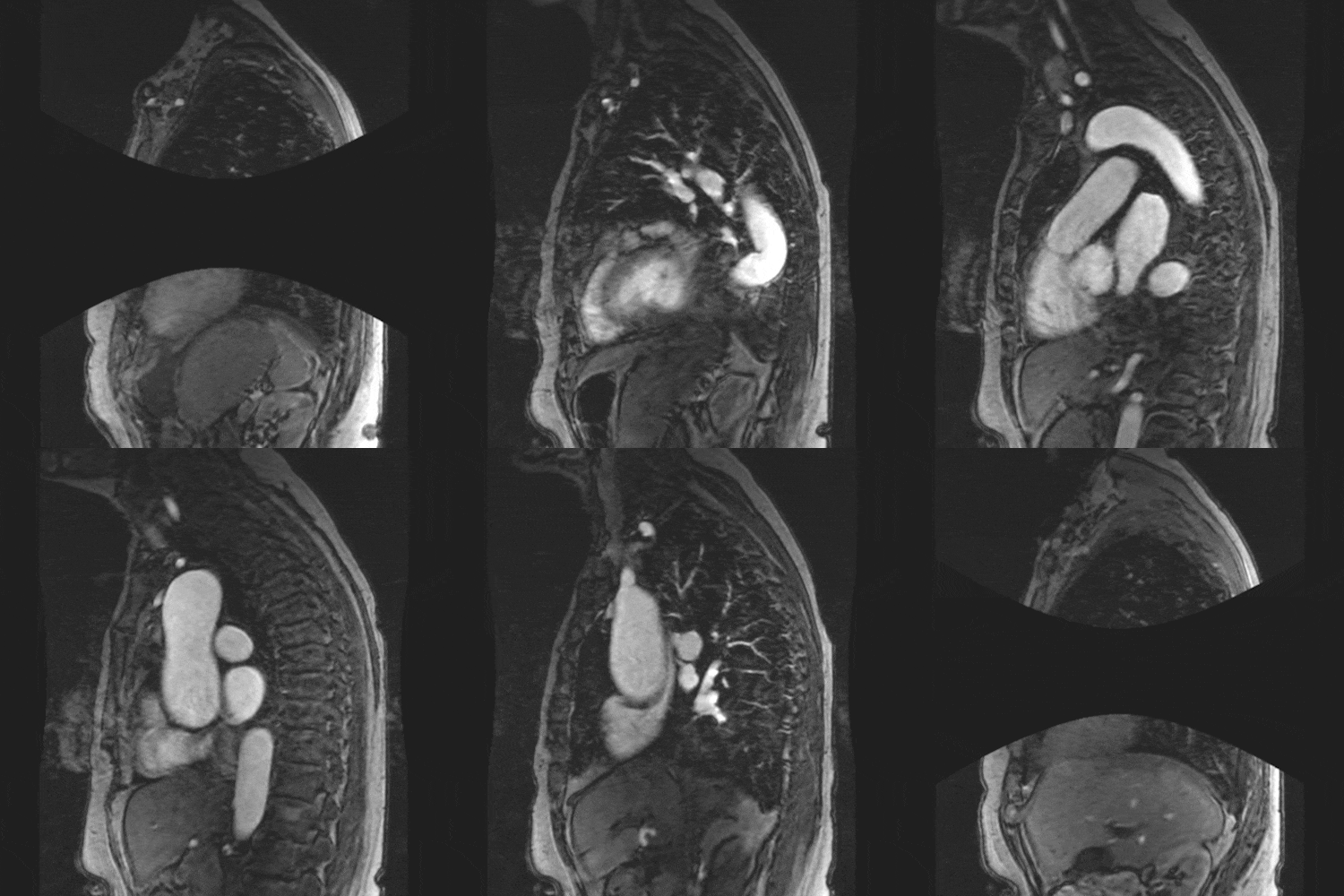
Low Quality Imaging
Figure C (Left): Example of a low quality MR sagittal view of the chest. Motion from the patient can be seen on the left side of the scan, interfering with the visual data of the heart.
Figure D (Right): The motion interference has resulted in blurred edges of the heart’s bloodflow, potentially resulting in inaccurate measurements.
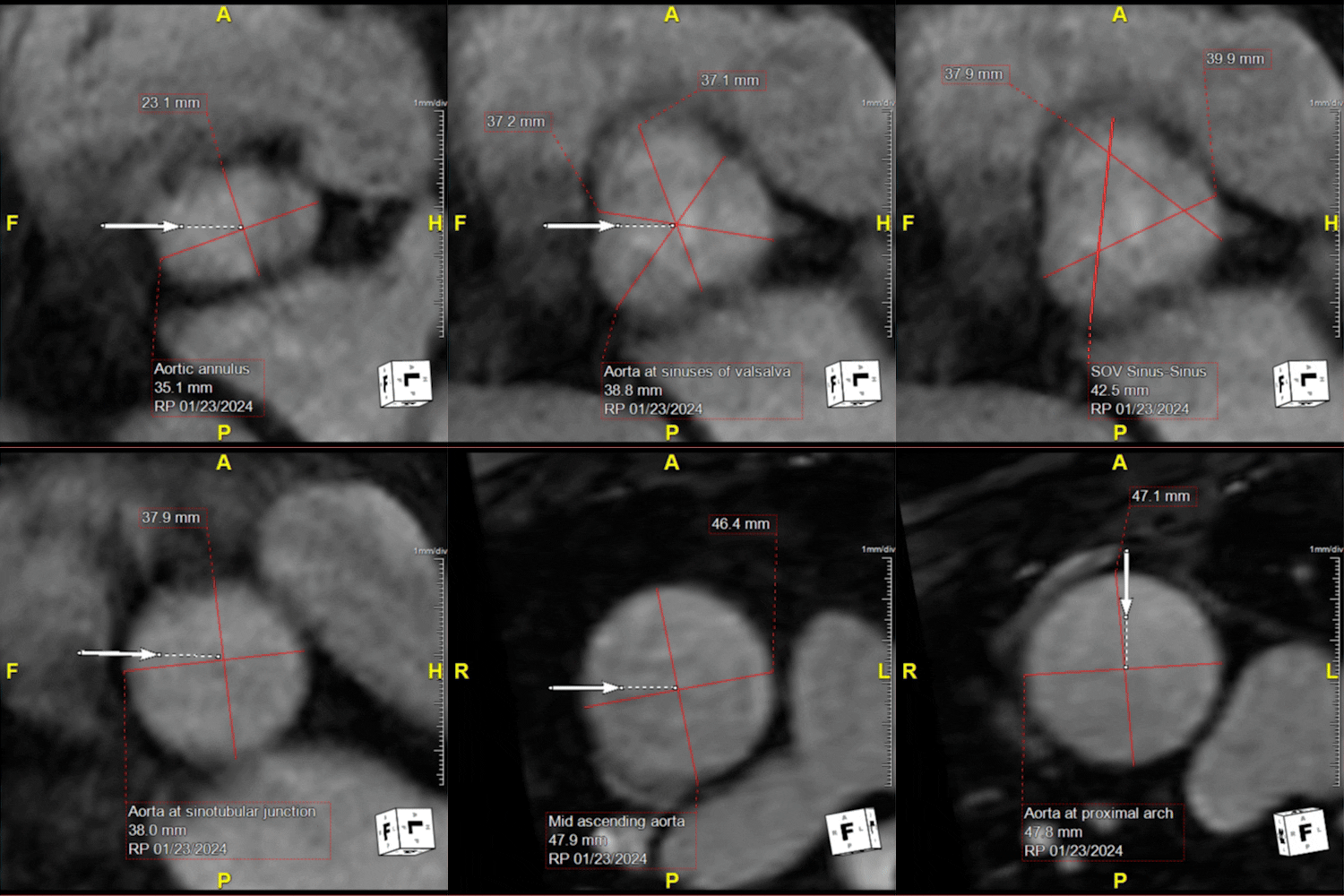
High Quality Imaging
Figure E (Left): Example of a high-quality brain MR scan.
Figure F (Right): High-quality MR scans allow for accurate representations of nerve pathways through the brain using diffusion tensor imaging (DTI).
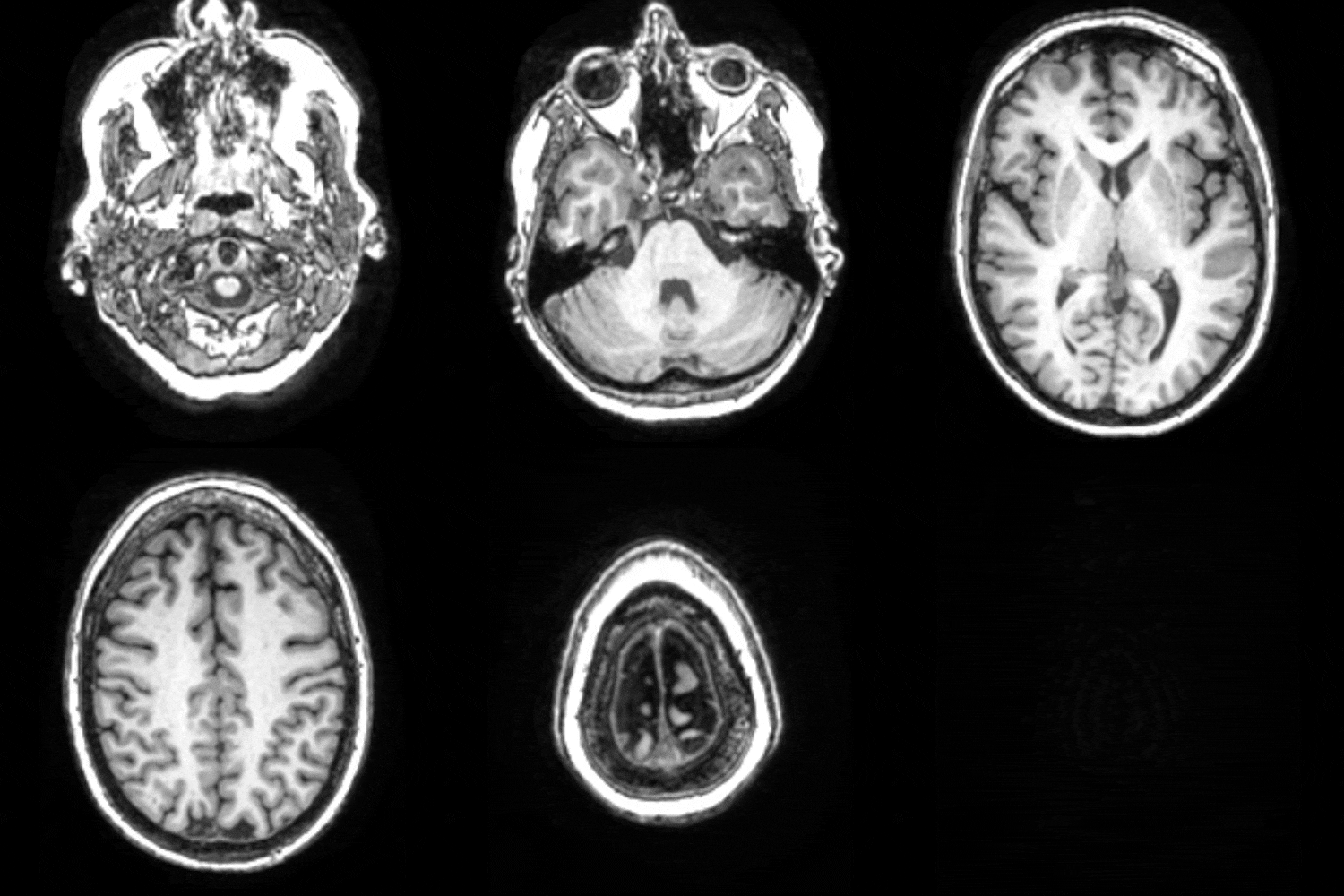
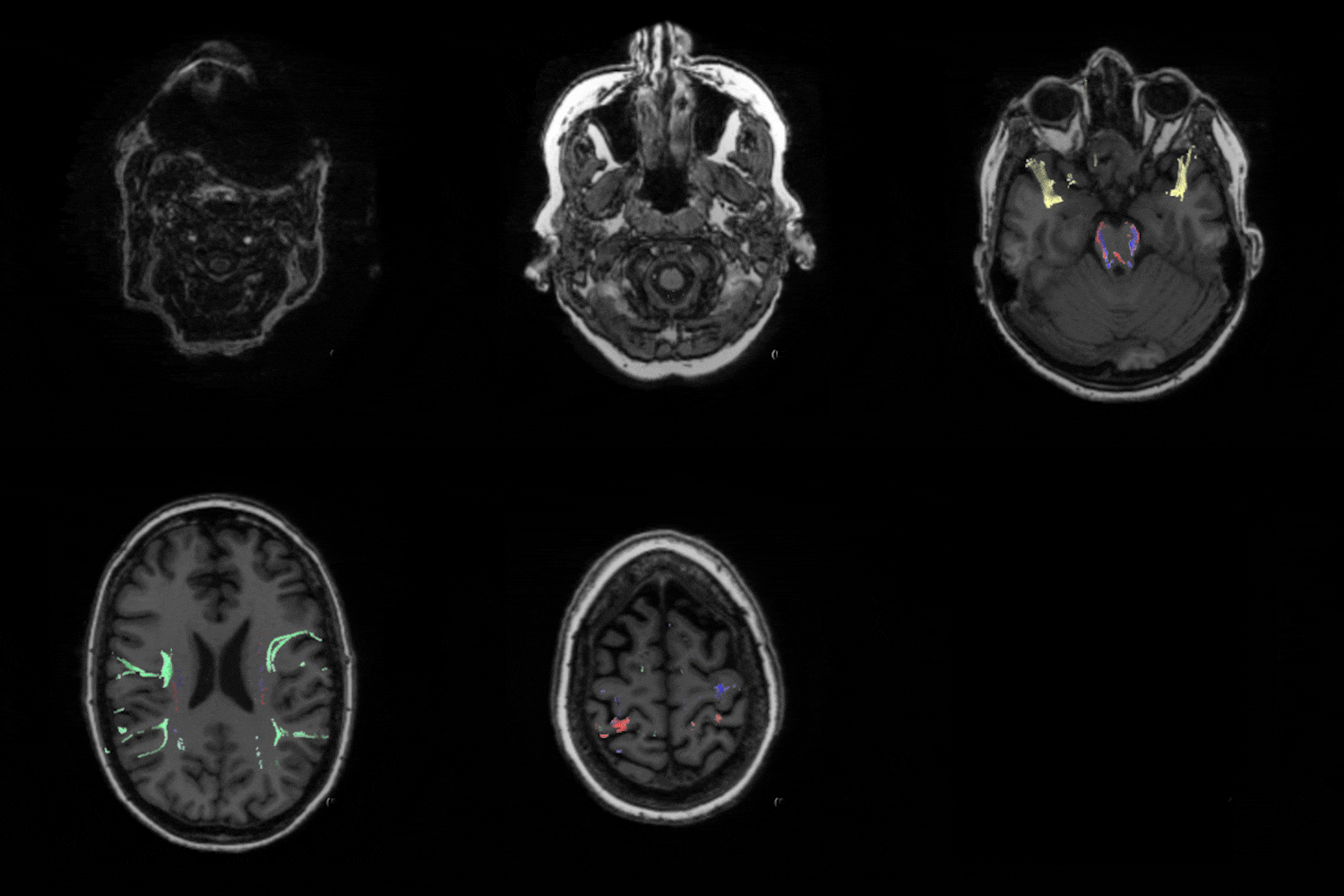
3D Imaging
There are different types of MRI scans, each tailored to provide specific information or detail about various parts of the body. Some of the common types include:
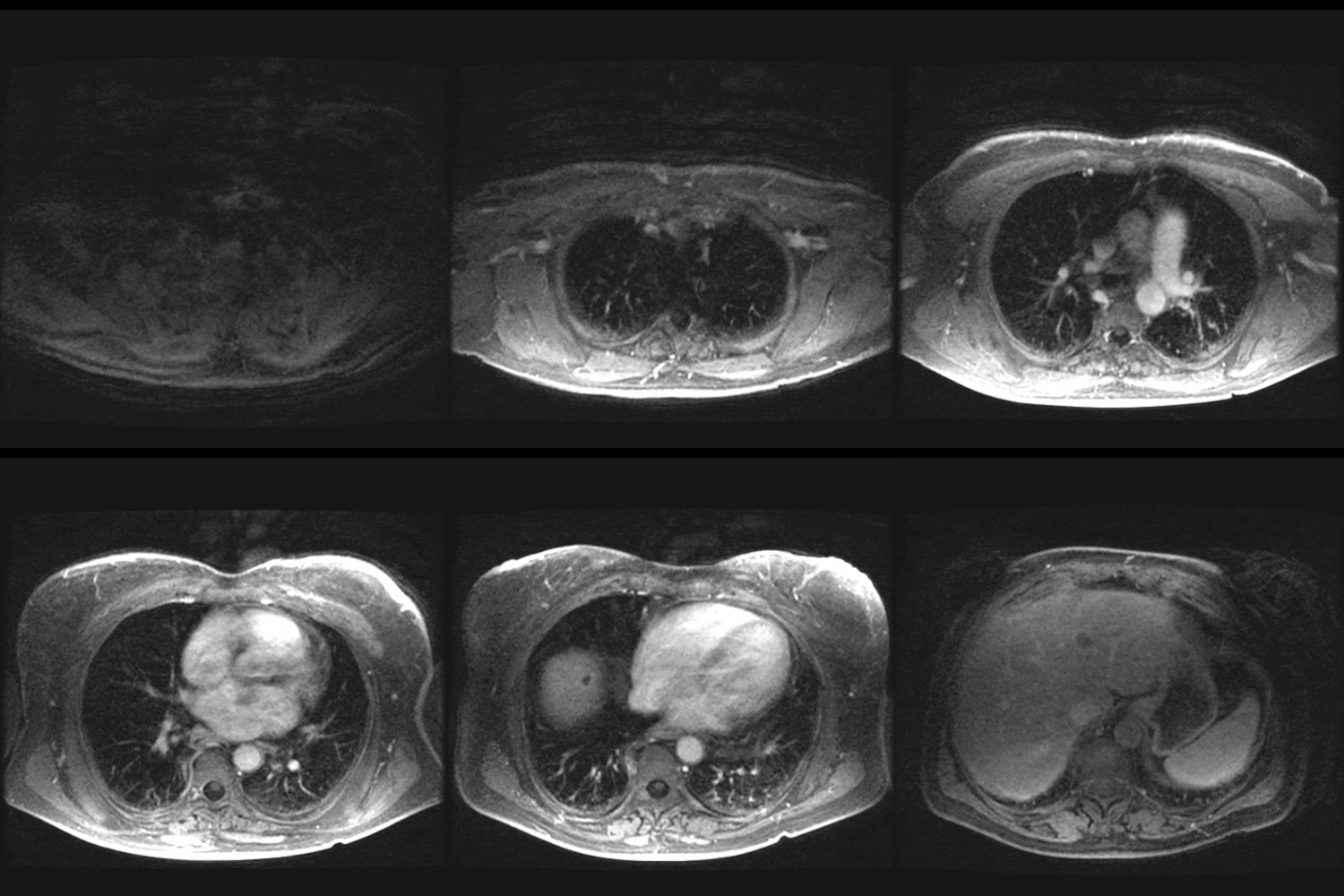
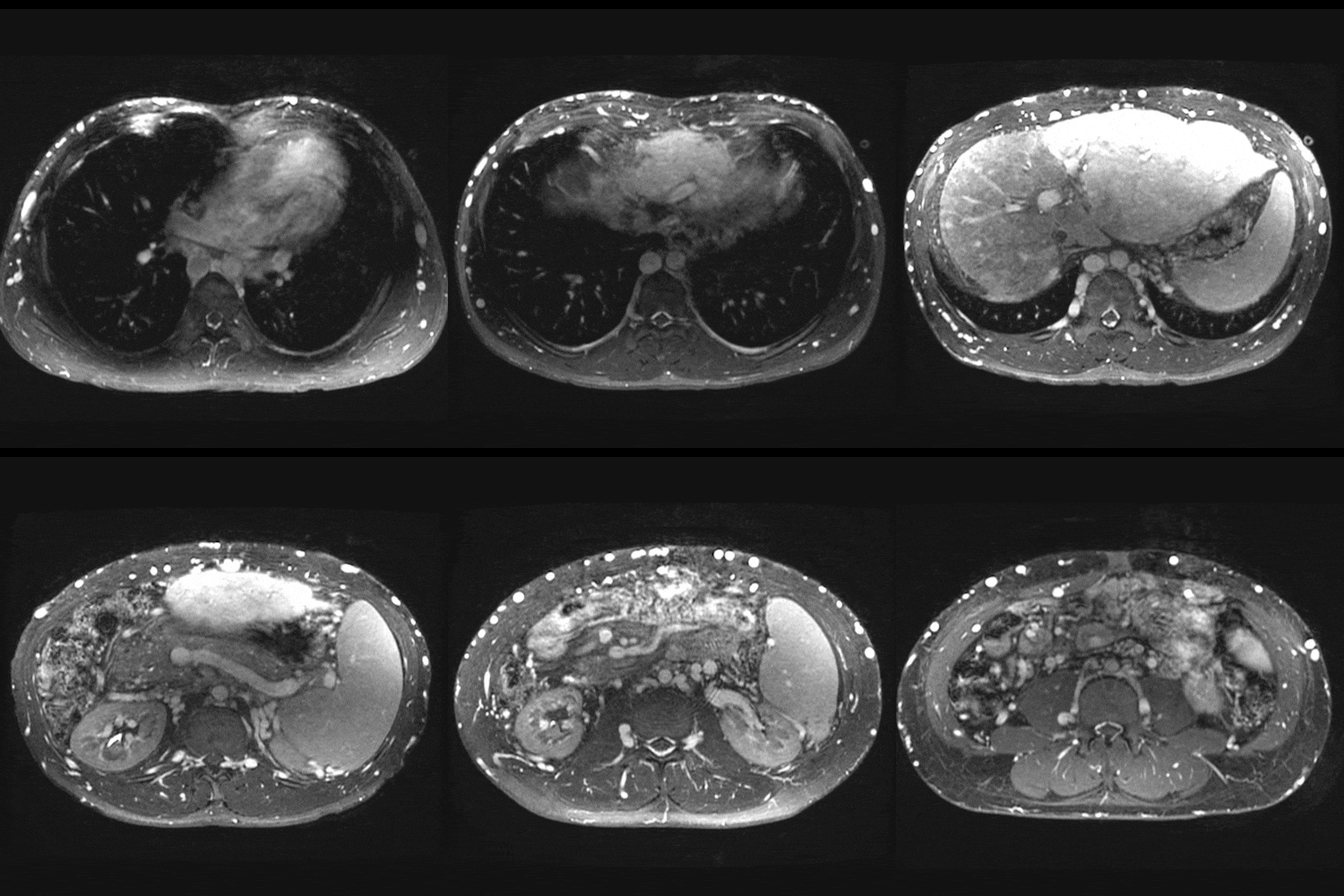
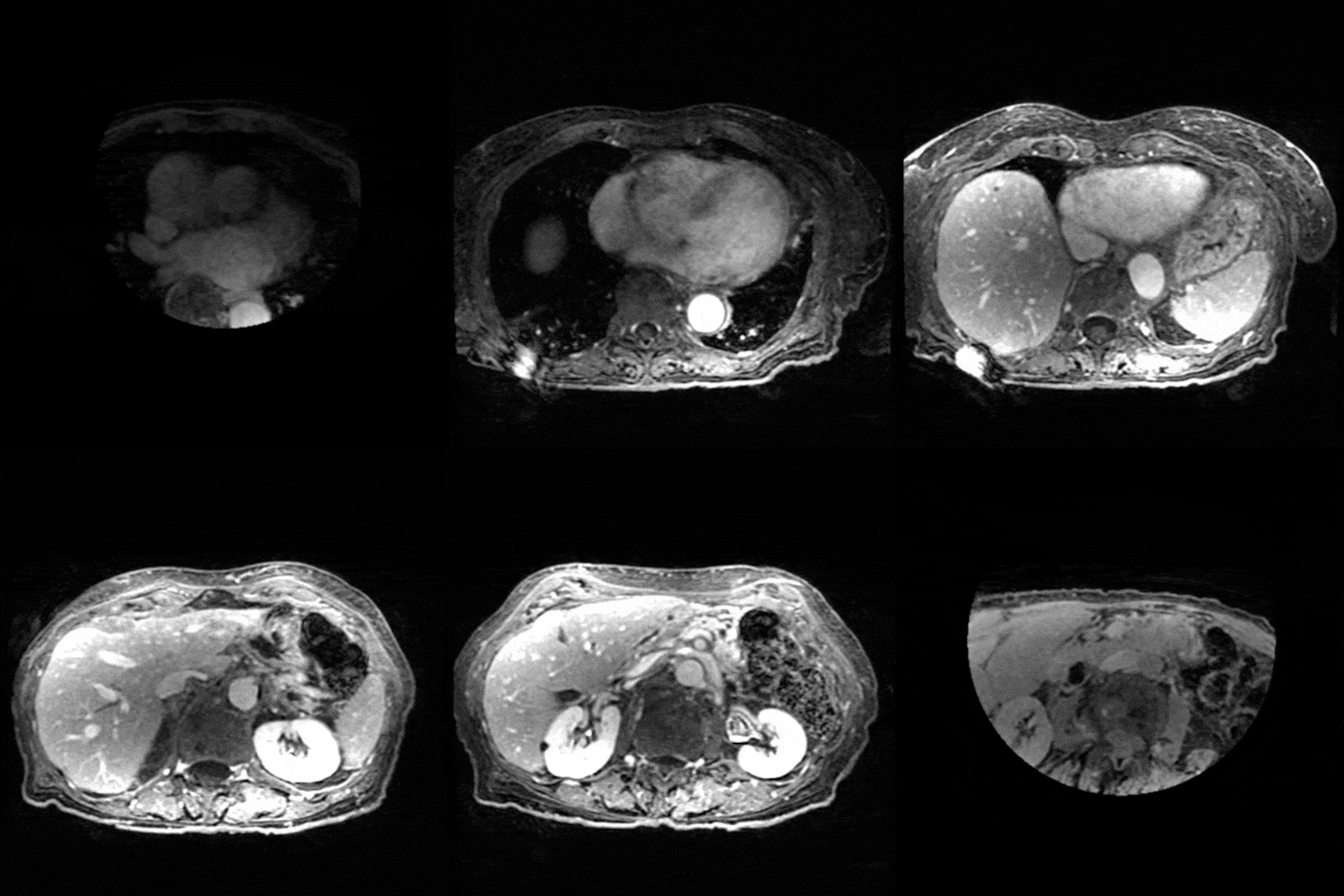
Cardiac MRI
Magnetic Resonance Angiography
Magnetic Resonance Venography
Cardiac MRI: Used for detailed images of the heart and blood vessels, it helps in assessing the structure and function of the heart and diagnosing conditions such as congenital heart disease.
Magnetic Resonance Angiography (MRA): MRA specifically images blood vessels. It can be used to detect aneurysms, blockages, or other blood vessel abnormalities.
Magnetic Resonance Venography (MRV): Similar to MRA, MRV focuses on the veins. It’s particularly useful for identifying clots and assessing the health of venous systems.

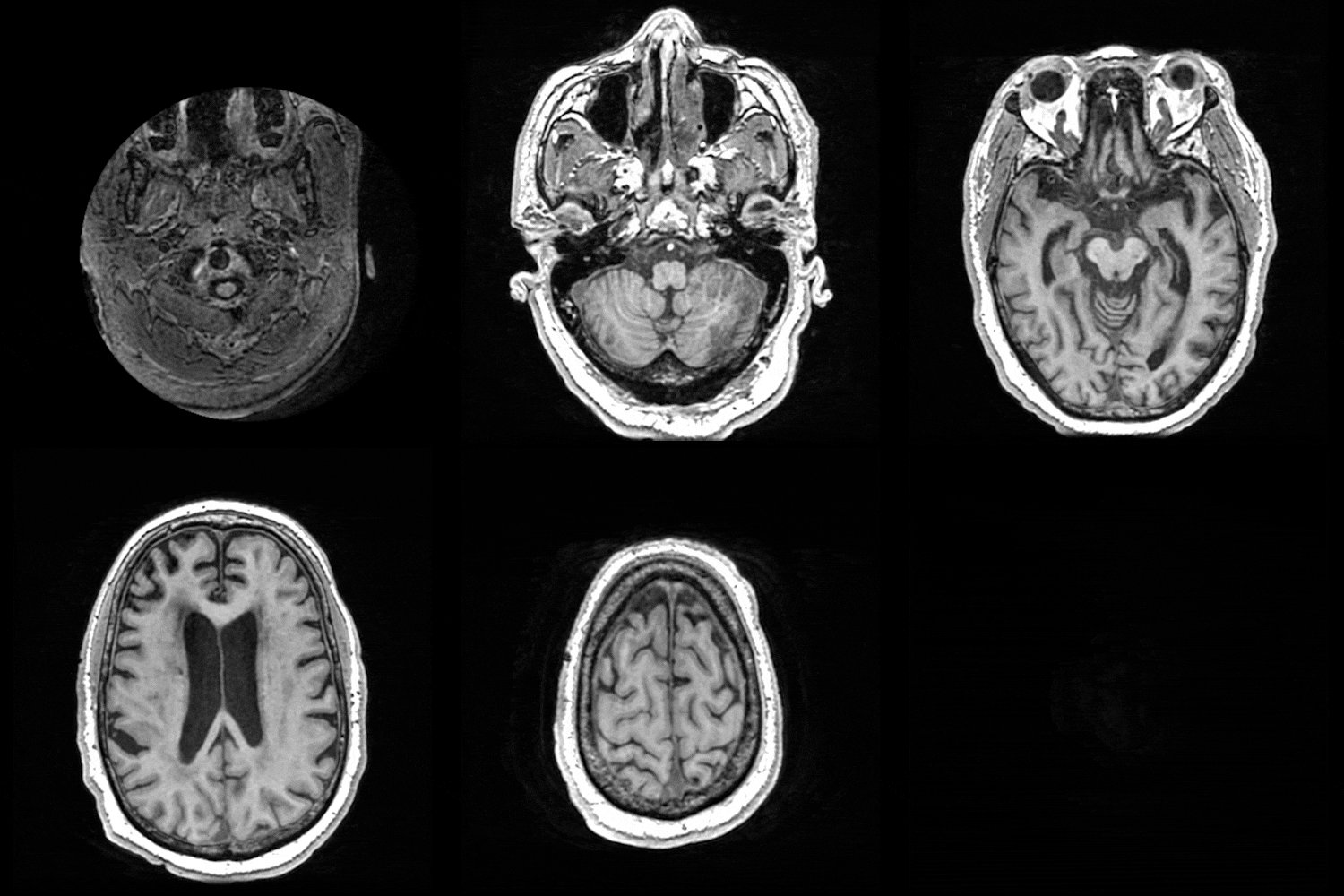
Breast MRI
Diffusion MRI
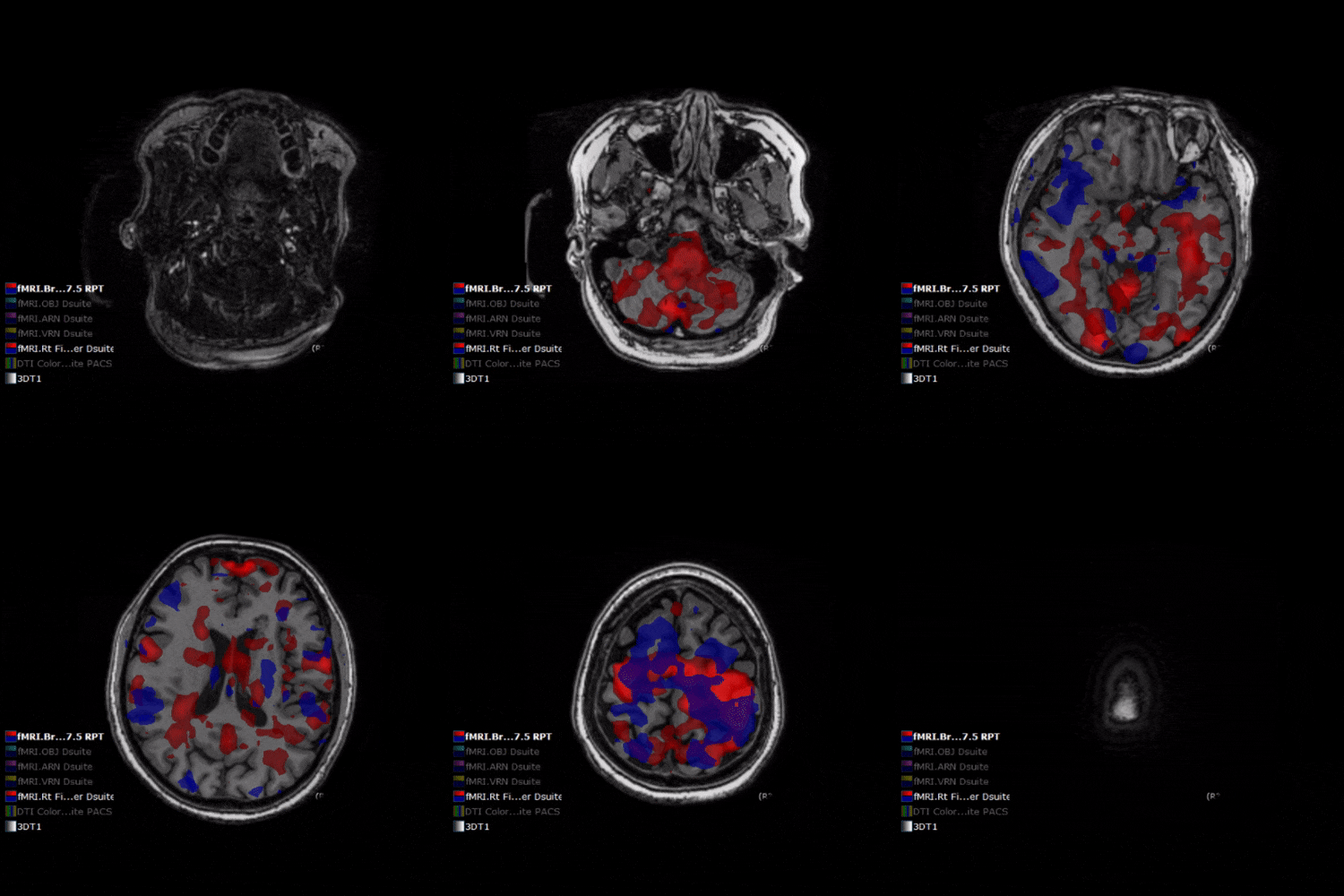
Functional MRI
Breast MRI: This specialized MRI is used for the detection and assessment of breast cancer and other breast abnormalities.
Diffusion MRI: This type is effective in measuring the diffusion of water molecules in tissue, useful in diagnosing conditions like stroke early on by detecting the cellular changes.
Functional MRI (fMRI): This type is used to measure and map brain activity. fMRI detects changes in blood flow to different parts of the brain, providing information on brain function in addition to structure.

