
Automated Extraction of Measurements
Many advanced imaging workflows rely on measurements created within FDA-cleared 3D imaging software scenes, such as vessel diameters, areas, and centerline-derived values. Historically, these measurements were entered manually into the 3DQ Lab’s web portal, where they could be reviewed by clinicians. While effective, this process was time-consuming and introduced opportunities for transcription errors.
Working directly with the software vendor, the 3DQ Lab identified that the scene files stored detailed XML data embedded within the DICOM header. Although this information is not directly visible to the user, it contains the measurements and scene configuration data needed to recreate how the case is displayed.
Figure A: Measurements created within FDA-cleared 3D imaging software for a cardiovascular surgery planning case.
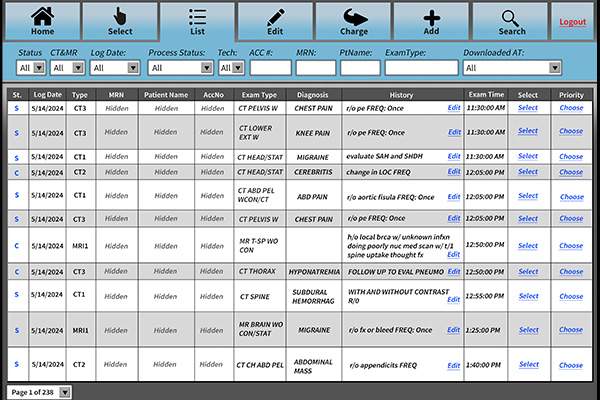
Figure B: Web portal where extracted measurements can be automatically imported.